Our first building: coming 2027
Keep the churches preaching.
American Church Conservancy keeps America's historic city-center churches open for worship by acquiring and restoring them and leasing them at affordable rents to theologically conservative, Bible-believing congregations.
A permanent trust for sacred buildings
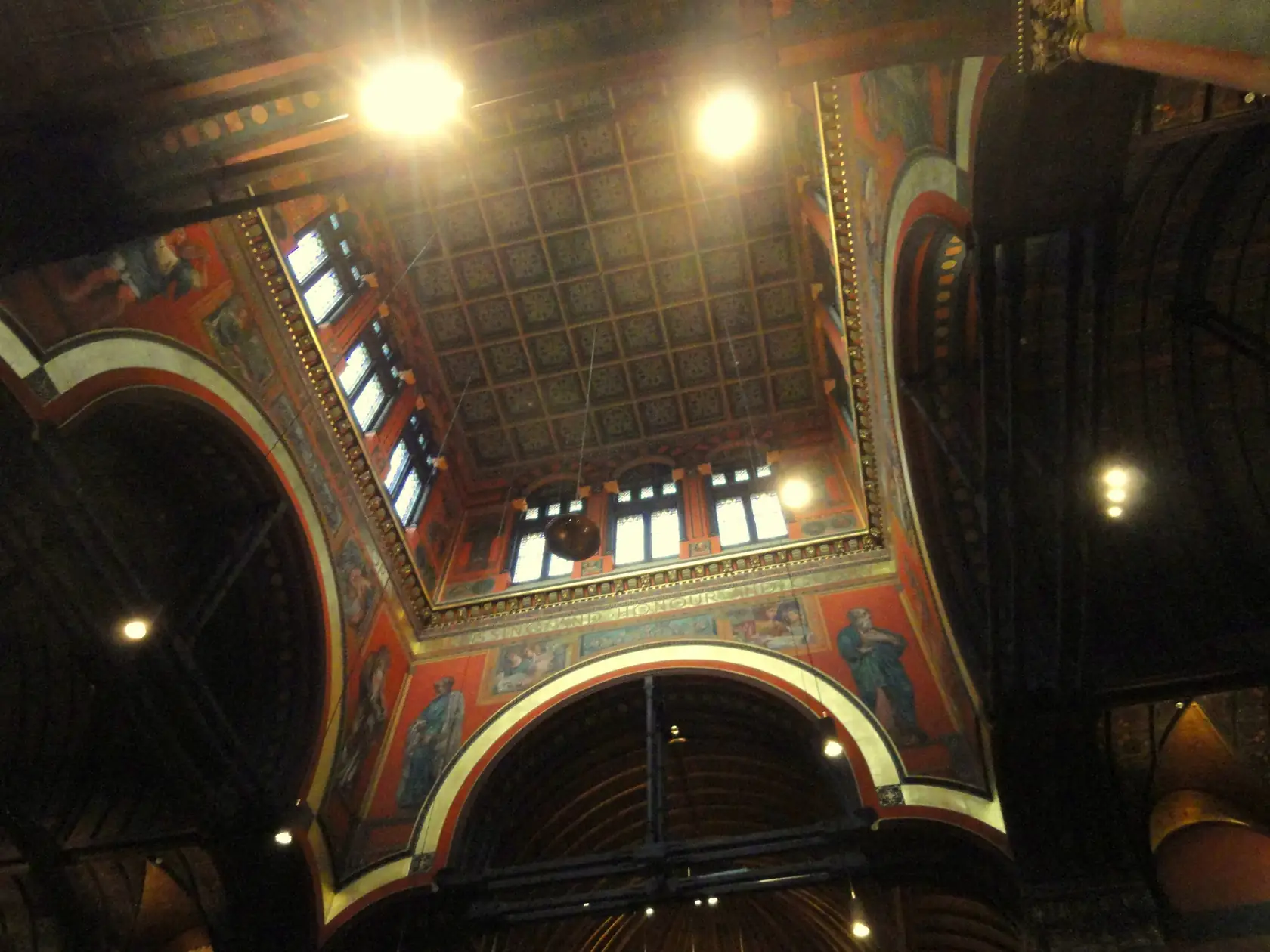
Trinity Church, Boston, looking up into the tower. Henry Hobson Richardson’s church, with decoration by John La Farge, opened in 1877.
Photograph by Daderot. CC0 1.0. Source. Shown as an example. Not a property of American Church Conservancy.

01 — The confession
Architecture is theology.
America’s historic churches are more than old buildings. For generations of Americans, and for Christians above all, they are where faith was made visible. Families were baptized, married, and buried in them. Cities gathered in them in times of grief and thanksgiving. Week after week, the Word of God was preached from their pulpits. They carry a spiritual weight in their communities that no new building can simply inherit.
These churches were built to preach. A spire lifts the eye heavenward. A nave draws the worshipper toward the pulpit and the table. Stone and timber speak of permanence, and light through stained glass tells the story of redemption to anyone who walks in. Their builders understood that architecture is theology: the form of a church declares what a people believe about God, His holiness, His beauty, and His nearness.
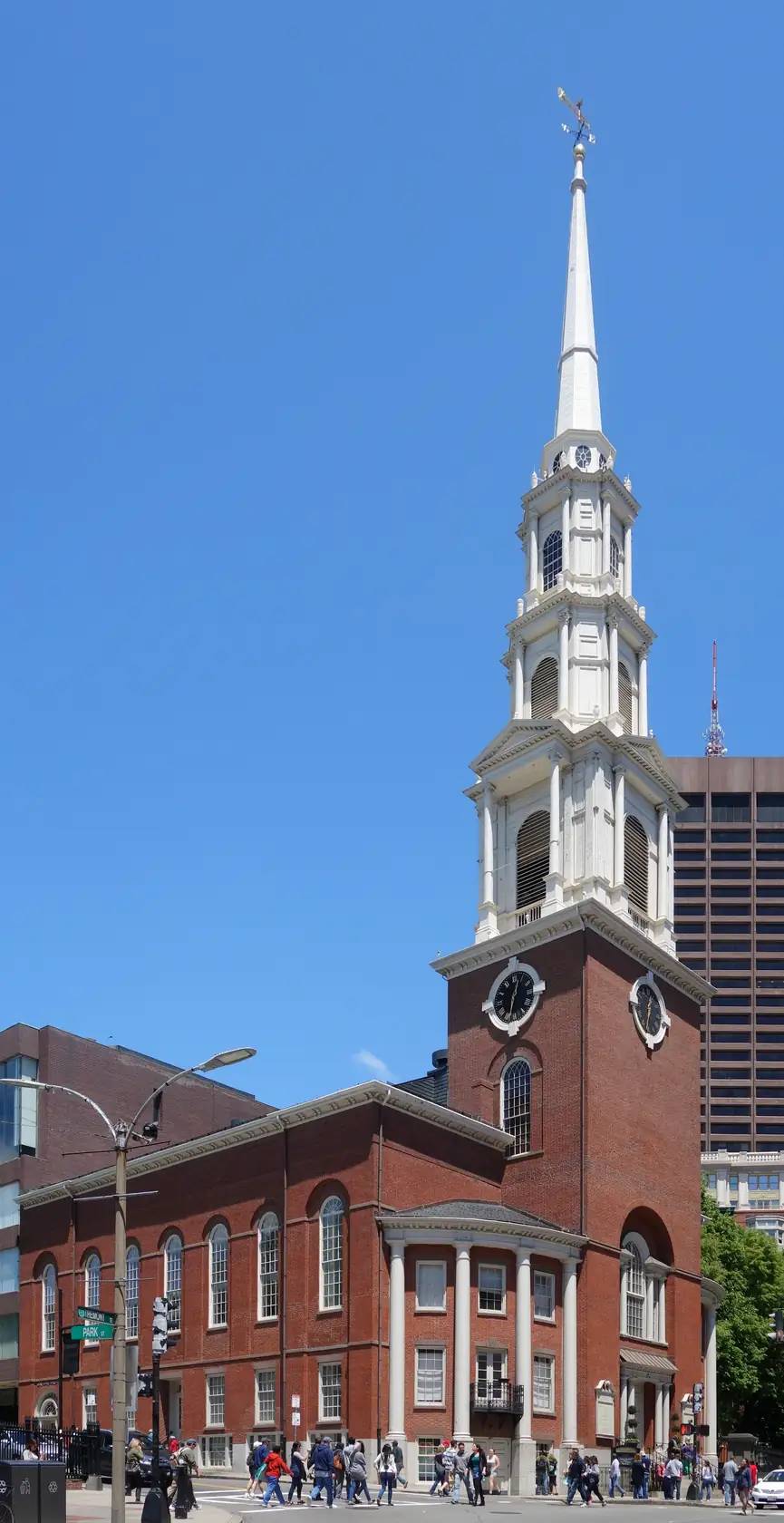
Park Street Church, Tremont Street, Boston, at the edge of the Common. The steeple has stood over the city since 1810.
Photograph by Daderot. CC0 1.0. Source. Shown as an example. Not a property of American Church Conservancy.

The confession
A building preaches.
Its stone, light, height, and proportion confess what a people believe about God.
Once such a building is lost, it is lost for good. Even ordinary new church construction typically costs $200 to $350 per square foot before land,1 and architecturally distinctive work costs more still. The masonry, carving, and glass of a century-old sanctuary are beyond the reach of almost any congregation today. Preserving these churches is far easier than building anything of comparable beauty, and if they fall, they will almost certainly never be built again.
American Church Conservancy exists to keep them standing, and to keep them preaching: held in permanent trust and filled each Lord’s Day by theologically conservative, Bible-believing congregations.
- 1CEF Core’s church building project cost estimator lists new construction at $200–$350 per square foot. The same page notes that design, permits, furnishings, and contingency sit on top of that figure. Land is not included. cefcore.com. This is their figure, not a Conservancy survey.
02 — The work
Four acts, and then a permanent holding.
- 01AcquireMajor gifts buy a historic, beautiful church in the center of a city when it comes up for sale.→
- 02RestoreThe fabric is repaired — masonry, roof, windows, and the systems a congregation actually needs — so the building can serve another century.→
- 03LeaseThe church is leased below the downtown market to a theologically conservative, Bible-believing congregation, under a confession covenant.→
- 04StewardThe Conservancy keeps the title. The building stays in worship, and it stays on the books as a permanent holding.→
03 — The holding
Our first building
Coming 2027.
No church has been purchased. There is no portfolio to tour and no list of donors to display. The Conservancy is being formed so that, when a historic city-center church comes to sale and the gifts are in hand, it can be bought, restored, and kept.
04 — Who we serve
Congregations that confess the faith.
Leases are for theologically conservative, Bible-believing congregations: confessional Presbyterian churches that subscribe to the Westminster Confession of Faith, and Baptist churches that subscribe to the Baptist Faith and Message 2000.
Westminster
The confession of the churches in the Presbyterian line.
Baptist Faith & Message 2000
The confession subscribed by many theologically conservative Baptist churches.
Rent is set below what the downtown market would bear, so a growing church can take a home in the heart of the city. The covenant keeps the building in worship.